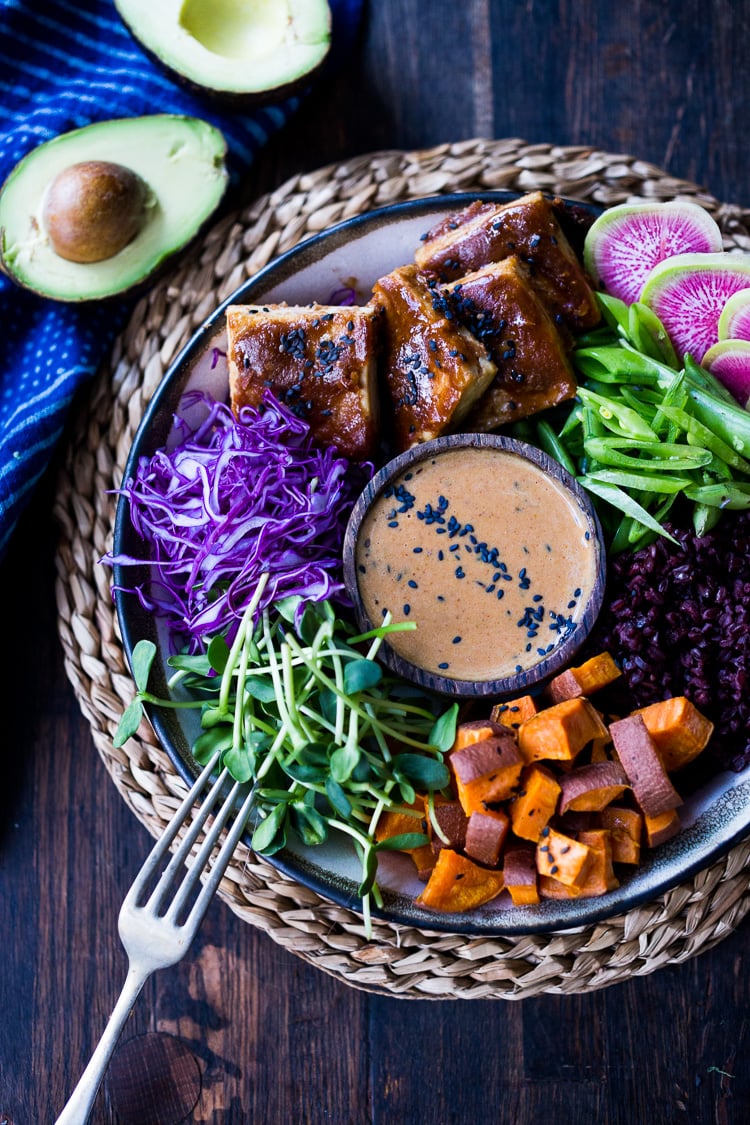
The Ultimate Guide to Crafting the Perfect Vegan Buddha Bowl
In a world increasingly seeking vibrant, nourishing, and convenient meal solutions, the vegan buddha bowl has emerged as a true culinary superstar. Far more than just a passing trend, these beautifully assembled, plant-powered meals offer a holistic approach to eating that is as satisfying to the eye as it is to the palate. A buddha bowl, often characterized by its round, overflowing shape reminiscent of a Buddha's belly, typically features a harmonious arrangement of grains, proteins, vegetables, and a delectable dressing, all served in a single bowl. When made vegan, it becomes an ethical, sustainable, and incredibly healthful option that fits seamlessly into any modern lifestyle.
Whether you're a seasoned plant-based eater or simply exploring healthier ways to fuel your body, understanding the art of the vegan buddha bowl can revolutionize your mealtimes. It's an invitation to get creative in the kitchen, experiment with diverse ingredients, and enjoy balanced nutrition in every bite. For a deeper dive into the origins and fundamental philosophy behind these incredible meals, refer to vegan buddha bowl - Article 1.
Why Embrace the Vegan Buddha Bowl Lifestyle?
The appeal of the vegan buddha bowl extends far beyond its aesthetic charm. Adopting this eating style brings a wealth of benefits that cater to both physical well-being and a mindful approach to food:
- Nutrient Density: By combining a wide array of plant-based ingredients – whole grains, legumes, fresh vegetables, healthy fats – buddha bowls naturally pack a powerful nutritional punch. They are typically rich in fiber, vitamins, minerals, and antioxidants, supporting everything from digestion to immune health.
- Unrivaled Customization: One of the greatest strengths of a vegan buddha bowl is its incredible versatility. Dietary restrictions, picky eaters, seasonal availability, or even just your daily cravings can all be accommodated. Swap ingredients in and out with ease to create an endless variety of flavor profiles.
- Effortless Meal Prep: Buddha bowls are a meal prepper's dream. Components can be cooked, chopped, and prepared in advance, then assembled quickly when hunger strikes. This saves precious time during busy weekdays and ensures healthy meals are always within reach.
- Mindful Eating: The visual appeal of a well-arranged vegan buddha bowl encourages you to slow down, appreciate your food, and engage with the colors, textures, and aromas. This can foster a more mindful eating experience, promoting better digestion and greater satisfaction.
- Sustainable and Ethical: Choosing plant-based meals like buddha bowls contributes positively to environmental sustainability by reducing your carbon footprint and supporting ethical food systems.
Mastering the Art of the Vegan Buddha Bowl: Component Breakdown
Creating a balanced and delicious vegan buddha bowl is all about understanding the essential components and how they fit together. Think of it as building a culinary masterpiece, layer by layer:
1. The Foundation: Wholesome Grains (1/4 of the bowl)
This is the hearty base that provides complex carbohydrates for sustained energy. Opt for whole grains for maximum fiber and nutrients.
- Quinoa: A complete protein, quick-cooking, and adds a delightful texture.
- Brown Rice: A classic, comforting, and filling option.
- Farro/Barley: Chewy and nutty, perfect for a heartier bowl.
- Couscous (whole wheat): Super fast to prepare, great for last-minute bowls.
- Sweet Potato/Yam: While not a grain, roasted chunks make an excellent, flavorful base.
2. The Powerhouse: Plant-Based Protein (1/4 of the bowl)
Crucial for satiety and muscle health, these ingredients make your vegan buddha bowl truly satisfying.
- Chickpeas/Lentils: Roasted, spiced, or simply boiled, they're versatile and affordable.
- Tofu/Tempeh: Marinate and bake, pan-fry, or scramble for a protein punch.
- Black Beans/Kidney Beans: Great in Mexican or Southwestern-inspired bowls.
- Edamame: Fresh, vibrant, and packed with protein.
- Seitan: A chewy, protein-rich wheat gluten product, excellent for savory bowls.
3. The Stars: Vibrant Vegetables (1/2 of the bowl)
Load up on a variety of colors and textures from both raw and cooked vegetables. Aim for at least 2-3 different types.
- Roasted: Broccoli, cauliflower, Brussels sprouts, carrots, bell peppers, zucchini, asparagus, sweet potatoes. Roasting brings out their natural sweetness and a delightful char.
- Steamed/Blanched: Green beans, spinach, kale, asparagus. Keeps them tender-crisp.
- Fresh/Raw: Mixed greens, shredded cabbage, cucumber, cherry tomatoes, avocado, sprouts, grated carrots, radish. Adds freshness and crunch.
4. The Flavor Boosters: Healthy Fats & Crunch (small portion)
These add healthy fats, extra texture, and depth of flavor.
- Avocado: Creamy, rich, and full of healthy fats.
- Nuts/Seeds: Toasted almonds, walnuts, pumpkin seeds, sunflower seeds, sesame seeds add crunch and nutrients.
- Olives: Briny and flavorful, especially in Mediterranean bowls.
- Hummus/Guacamole: Great for extra creaminess and flavor.
5. The Unifier: The Dressing!
Perhaps the most critical element, the dressing ties all the flavors together. It should be flavorful yet light enough not to overpower the individual ingredients. Some popular options include:
- Tahini-Lemon Dressing: Creamy, tangy, and versatile.
- Peanut Sauce: Sweet, savory, and perfect for Asian-inspired bowls.
- Maple-Dijon Vinaigrette: A classic sweet and tangy combination.
- Cilantro-Lime Dressing: Fresh and zesty for Mexican or Southwestern themes.
- Creamy Balsamic: A rich, slightly sweet option.
6. The Finishing Touch: Garnishes
Don't underestimate the power of a fresh garnish to elevate your vegan buddha bowl!
- Fresh Herbs: Cilantro, parsley, mint, basil, dill.
- Sprouts: Alfalfa, broccoli, lentil sprouts for extra freshness and nutrients.
- Sesame Seeds: Toasted or black, adds visual appeal and a nutty note.
- Chili Flakes/Hot Sauce: For a kick of heat.
Creative Combinations: Exploring Flavor Profiles for Your Buddha Bowl
Now that you know the components, let's explore some delicious themes for your next vegan buddha bowl. For more detailed recipe ideas and variations, don't miss vegan buddha bowl - Article 2.
- Mediterranean Delight:
- Base: Quinoa
- Protein: Roasted chickpeas with za'atar
- Veggies: Cucumber, cherry tomatoes, Kalamata olives, mixed greens
- Fat/Crunch: Hummus, toasted pine nuts
- Dressing: Lemon-tahini dressing
- Garnish: Fresh parsley
- Asian Fusion:
- Base: Brown rice or soba noodles
- Protein: Pan-fried tempeh or edamame
- Veggies: Steamed broccoli, shredded carrots, bell peppers, cilantro
- Fat/Crunch: Sliced avocado, chopped peanuts, sesame seeds
- Dressing: Creamy peanut sauce or soy-ginger vinaigrette
- Garnish: Green onions, chili flakes
- Southwestern Fiesta:
- Base: Cilantro-lime rice
- Protein: Spiced black beans
- Veggies: Corn salsa, pico de gallo, shredded lettuce
- Fat/Crunch: Sliced avocado, crushed tortilla chips
- Dressing: Zesty cashew cream or a simple lime vinaigrette
- Garnish: Fresh cilantro, pickled red onion
- Hearty Winter Harvest:
- Base: Farro or roasted sweet potato chunks
- Protein: French lentils
- Veggies: Roasted Brussels sprouts, massaged kale, roasted carrots
- Fat/Crunch: Toasted pecans or walnuts
- Dressing: Maple-Dijon vinaigrette
- Garnish: Fresh thyme or rosemary
Meal Prep Strategies for Effortless Vegan Buddha Bowls
Making vegan buddha bowls a regular part of your diet is easy with a little planning. Here’s how to streamline your prep:
- Batch Cook Grains: Cook a large batch of your favorite grain (quinoa, brown rice) at the beginning of the week. Store it in an airtight container.
- Roast Veggies: Chop and roast a variety of vegetables (broccoli, sweet potatoes, bell peppers) all at once. Let them cool completely before storing separately.
- Prepare Proteins: Cook a big batch of chickpeas, lentils, or marinate and bake tofu/tempeh.
- Whisk Dressings: Make a generous quantity of your chosen dressing and store it in a jar in the fridge. Most dressings will last for 5-7 days.
- Chop Fresh Components: Wash and chop fresh veggies like lettuce, cucumber, and tomatoes. Keep them separate from cooked items to maintain freshness.
- Assemble Daily: When it's time to eat, simply combine your prepped components in a bowl. Add fresh avocado, nuts, seeds, and dressing right before serving to prevent sogginess.
The vegan buddha bowl is more than just a meal; it’s a canvas for culinary creativity, a beacon of healthy eating, and a testament to the delicious possibilities of plant-based cuisine. By understanding its core components and embracing a little meal prep, you can enjoy these vibrant, satisfying, and incredibly nourishing bowls day after day. So, gather your ingredients, unleash your inner chef, and start building your perfect buddha bowl today!
